How OneClickDrive Is Ending the Guesswork in Dubai’s Used Car Market
For most of its history, Dubai’s used car trade ran on information imbalance. The dealer knew what the car was worth, what it had been through, and what the last three buyers had offered; the buyer knew what the windscreen said. Deals were made on charm, patience, and whoever blinked first, and the city’s famously deep inventory, one of the youngest used car pools in the world, was navigated largely on foot, forecourt by forecourt, weekend after weekend. That era is ending, not with an announcement but with a browser tab, and the shift deserves more attention than it gets.
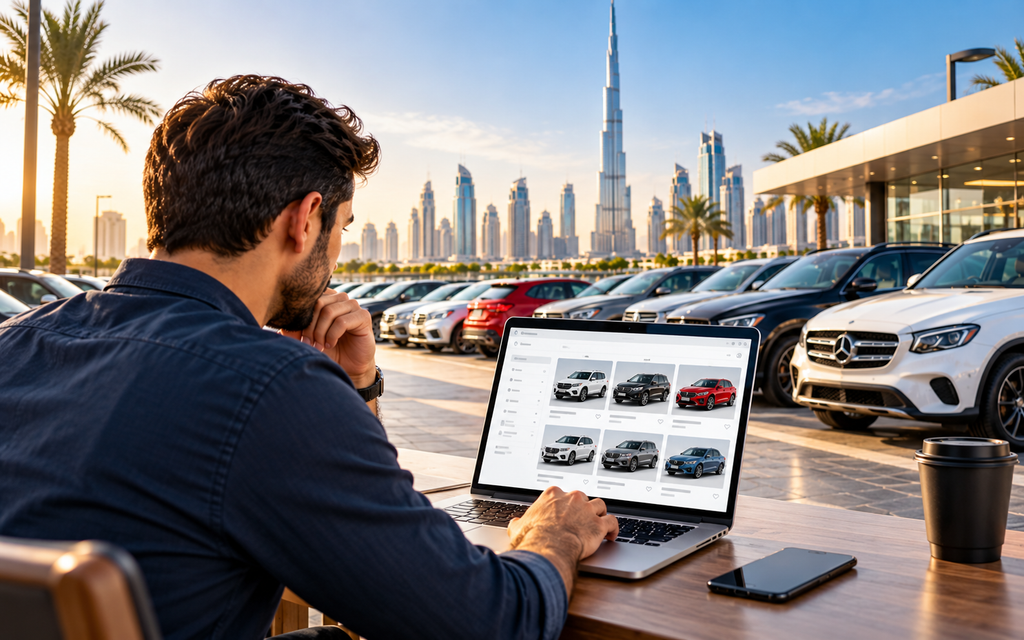
The change is structural, and it is easiest to see at scale. The OneClickDrive used cars listings now carry over 13,000 vehicles from verified dealers and private sellers, starting from around AED 8,500 and running through family SUVs to lightly used luxury metal, each with real photos, stated prices, and direct WhatsApp contact with the actual seller, no commission or middleman fee added anywhere in the chain. What that does to the old information imbalance is simple: it deletes it. A buyer can learn the honest market price of any model and year in an evening of scrolling, arrive at a viewing knowing more than the salesman expects, and let three comparable listings negotiate against each other without leaving the sofa. The forecourt still matters, but only for the finalists.
The interesting question is what this transparency does to the market’s old habits, on both sides of the handshake.
What Buyers Gain, and What They Still Owe the Process
The obvious gain is price discovery, but the deeper one is filtering. The classic Dubai car hunt burned its weekends on cars that should never have made the shortlist, the accident repair discovered on arrival, the mileage that did not survive a glance at the pedals, the seller who was never really selling. Direct listings move that filtering to WhatsApp, where three questions, is the car available, is it accident-free by your account, is it open to independent inspection, thin the list before any driving happens. The marketplace has effectively turned the first half of car shopping into a fifteen-minute messaging session, and buyers who still do it the old way are volunteering for the old odds.
What transparency has not changed, and never will, is the second half. The disciplined buyer still verifies the specific car: the service folder read completely, the paid pre-purchase inspection with paint-depth and chassis readings, the confirmation that no bank loan or unpaid fine encumbers the transfer, the air conditioning tested at full power in real heat. A transparent market makes good cars easier to find; it does not make bad cars honest. If anything, the editorial point cuts the other way: as listings get glossier, the paid inspection becomes more essential, not less, because photographs have never once revealed a repainted quarter panel. The buyers winning in this market are the ones combining the new tools with the old paranoia.
There is also a genuinely new buyer’s move the marketplace model enables, and too few people use it: renting the shortlist. The same platform runs the country’s largest rental market, which means a month in the exact model you intend to buy costs a modest fixed fee and answers every question a test drive cannot, a piece of due diligence no previous generation of Dubai buyers could purchase at any price.
The Seller’s Side of the Same Coin
Here is the part of the story that gets less coverage: transparency is not a buyer’s weapon, it is a market condition, and sellers who understand it are profiting from it just as directly. The old private-sale experience in Dubai was miserable enough to have its own folklore, the classified ad answered by lowballers and brokers, the no-shows, the weeks of strangers, and it pushed generations of owners into instant-sale services that solved the hassle by buying the car below its worth. The marketplace model offers a third road, and it is the same one the dealers took.
A private owner or dealer who lists where the buyers already are inherits the market’s new mechanics in reverse. The car sits beside its comparables, which sounds frightening and is actually the point: a fairly priced, well-photographed, honestly described car with a service folder now stands out in a way no forecourt ever allowed, because the same transparency that exposes the overpriced listing spotlights the correct one. Serious buyers arrive pre-filtered, having already compared, and the direct-contact model means the conversation happens between the two people who actually matter, with no commission shaved off the agreed number. The craft, for sellers, is the mirror of the buyer’s checklist: price against the live comparables rather than sentiment, photograph in daylight from every angle including the flaws, lead with the service history, and answer the inspection question with an immediate yes, because in a transparent market, openness is not a courtesy, it is the sales strategy. Owners ready to make the move can list and sell your car on OneClickDrive through the same marketplace the buyers are already scrolling, which is, reduced to one sentence, the entire logic of selling anywhere.
The Market This Is Becoming
Step back and the direction is clear. Dubai’s used car trade is converging on what its rental market already became: a direct, comparable, commission-free meeting point between supply and demand, with the platform as infrastructure rather than intermediary. The winners under those rules are unglamorous and predictable, honest cars, honest prices, complete paperwork, on both sides of the deal, and the losers are the business models that depended on the buyer knowing less than the seller. It is hard to write a sympathetic paragraph for those.
What remains stubbornly, wonderfully unchanged is the underlying asset. Dubai still cycles its cars young, the climate still spares them, the expat churn still refills the pool every summer, and the transfer process still completes in an hour, which means the raw material of this market was always excellent; it was only ever the matching that was inefficient. The matching is now a search filter. For buyers, that means the best used car market in the region finally operates like one. For sellers, it means the fair price is achievable without the forecourt’s haircut. And for the city’s famous weekend forecourt crawl, it means retirement to what it should always have been, a final inspection visit, made with a shortlist, a checklist, and the quiet confidence of someone who already knows the number.