How Good Lubricants Protect Machines from Overheating
In the UAE, where summer temperatures often exceed 45°C and desert winds carry fine sand, machinery faces extreme stress. Heat accelerates wear, thins lubricating films, and can lead to overheating, while dust increases friction and abrasion. For industries like oil and gas, construction, and manufacturing, protecting equipment in these conditions is essential.
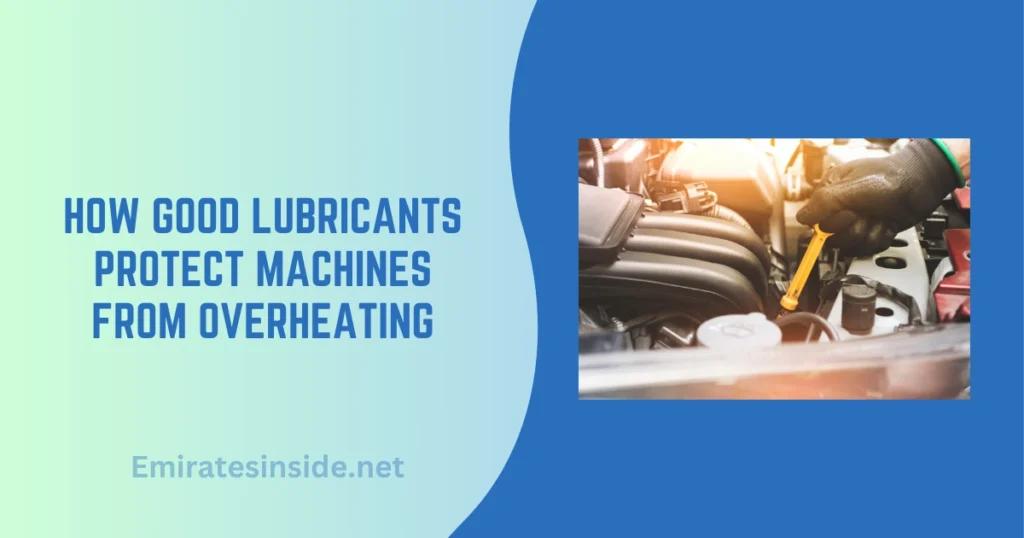
Lubricants and Equipment Performance
Lubricants are essential for keeping machinery running smoothly. They work by forming a thin film between moving parts, preventing direct metal-to-metal contact. This reduces friction, minimizes wear, and helps disperse heat generated during operation. By controlling heat and friction, lubricants protect machinery from overheating and potential damage.
Many lubricants are enhanced with special additives that provide extra benefits, such as corrosion protection, water resistance, and reliable performance under extreme temperatures or pressures. These properties ensure that equipment stays in peak condition for longer, reducing the risk of unexpected breakdowns and downtime.
For the oil and gas industry, using high-quality industrial lubricants delivers significant advantages:
- Optimized Machinery Performance – By reducing friction and wear, they improve energy efficiency and help equipment operate at its best.
- Extended Equipment Life – Quality lubricants minimize damage and slow down component wear, resulting in fewer repairs and replacements.
- Enhanced Protection – Additives boost resistance against corrosion, water intrusion, and extreme operating conditions.
- Reduced Downtime & Costs – Preventing failures and breakdowns saves on repair expenses and keeps operations running safely and efficiently.
In short, investing in premium industrial lubricants is a smart decision for oil and gas operators. It not only boosts performance but also extends equipment lifespan, improves safety, and lowers operating costs.
Types of Lubricants and Their Applications
Industrial equipment relies on different types of lubricants to perform efficiently and last longer. Each type is formulated to meet specific needs and operating conditions. Here’s a breakdown of the most common options:
- Mineral Oil Lubricants – The most widely used lubricants, made from refined crude oil. They deliver reliable performance at an affordable cost, making them suitable for a broad range of industrial applications.
- Synthetic Lubricants – Engineered for maximum performance, these lubricants handle extreme temperatures and pressures exceptionally well. They’re ideal for harsh environments where standard oils may fail.
- Bio-Based Lubricants – Made from renewable sources like vegetable oils or animal fats, these eco-friendly options are perfect for environmentally sensitive operations while still providing effective lubrication.
- Greases – Semi-solid or solid lubricants that combine base oil with a thickener. Their sticky consistency helps them stay in place, making them ideal for applications where liquid lubricants would leak or drain away.
- Specialty Lubricants – Designed for unique challenges such as high heat, heavy loads, or corrosive conditions. These are often enhanced with additives for extra protection, water resistance, and durability.
Choosing the right lubricant type is essential for maximizing equipment performance, reducing wear, and ensuring smooth operation even in demanding industrial environments.
Lubricant Uses in the Oil and Gas Industry
Lubricants are essential for the smooth operation, protection, and maintenance of equipment in the oil and gas sector. They reduce friction, minimize wear, protect against corrosion, and enhance overall performance across a variety of applications.
Key Applications Include:
- Bearings and Gears – Used in pumps, compressors, turbines, and drilling equipment to reduce friction, prevent wear, and ensure efficient power transmission.
- Hydraulic Systems – Provide smooth operation of moving parts, protect against corrosion, and improve the efficiency of hydraulic components.
- Wire Rope and Chains – Offer protection and lubrication for ropes and chains used in drilling, production, transportation, and material handling.
- Valves and Actuators – Reduce friction in moving parts, protect against corrosion, and enhance reliability in critical control components.
- Heat Exchangers and Cooling Systems – Assist in transferring heat away from vital components, reducing the risk of overheating and equipment failure.
Lubricants are vital to keeping oil and gas equipment running reliably. By lowering friction, preventing wear, and managing heat, they extend equipment life, minimize downtime, and maintain peak performance. Selecting the right lubricant for each application ensures long-term efficiency and protection in demanding operating conditions.
Lubricants and Preventive Maintenance
Why Lubricants Matter
Lubricants are a key part of any preventive maintenance program. They minimize friction and wear between moving parts, shield components from corrosion and contamination, and help maintain smooth equipment performance. When the right lubricant is chosen for the job and applied correctly, it can significantly reduce equipment failures, cut maintenance costs, and extend the life of critical machinery.
The Role of Lubricants in Preventing Downtime
In industries like oil and gas, the right lubricant can make the difference between steady production and costly downtime. For example:
- Drilling Rig Gearboxes – Exposed to extreme heat and pressure, gearboxes need high-quality lubricants to protect components, reduce wear, and extend service life.
- Gas Compressors – Lubricants keep bearings running smoothly, reduce heat buildup, and help prevent failures that could halt operations.
Across countless applications, lubricants safeguard machinery, improve performance, and ensure operations stay on track. By making lubricants an essential part of your preventive maintenance plan, you can maximize equipment reliability, reduce unplanned downtime, and protect your investment.
Final Takeaways
From blistering summer heat to abrasive desert dust, the UAE’s environment puts machinery to the ultimate test. Without the right protection, even the most advanced equipment can suffer costly damage and downtime. A Premier manufacturer of Lubricants in the UAE, Fubex Lubricants design lubricants to meet these challenges head-on—reducing friction, managing heat, and shielding vital components from wear, corrosion, and contamination.
By choosing the right lubricant for your application, you’re not just maintaining your equipment—you’re investing in longer service life, higher efficiency, and smoother operations all year round. In the Emirati heat, that’s not just an advantage—it’s a necessity.
FAQs
Q1: What is the best lubricant for high temperatures?
For extreme heat and heavy loads, high-temperature greases like ceramic, copper, graphite, and molybdenum disulfide provide excellent resistance, durability, and protection—keeping machinery reliable in the toughest conditions.
Q2: Which lubricant is best for heavy machines?
Synthetic oils are a top choice for heavy-duty equipment. Engineered for extreme temperatures and high-pressure conditions, they offer superior stability, oxidation resistance, and long-lasting performance—perfect for demanding industrial applications.